





Dirty Air Filter Symptoms & Impact
Dirty Air Filter Symptoms & Impact: How to Identify, Prevent, and Resolve HVAC Filter Issues for Better Energy Efficiency and Indoor Air Quality
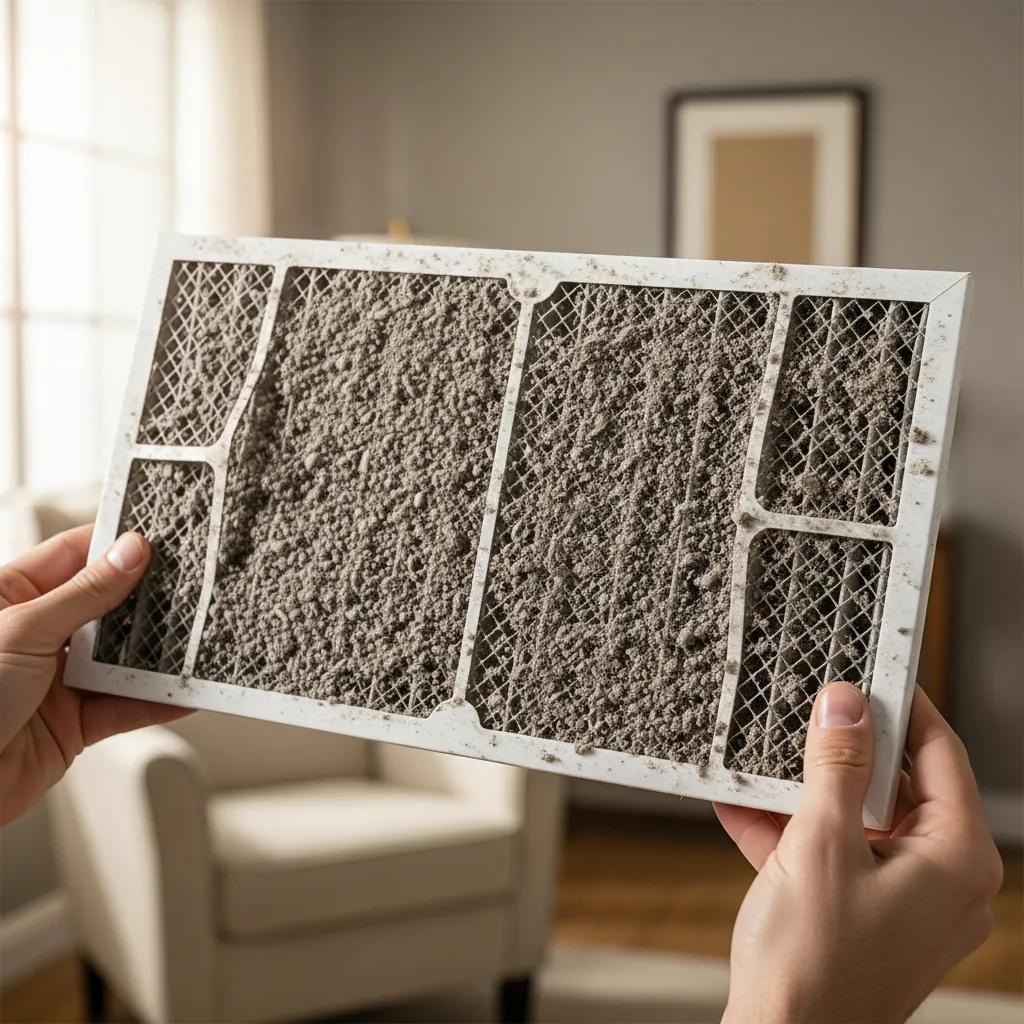
Dirty air filters can significantly impact the performance of HVAC systems, leading to reduced energy efficiency and compromised indoor air quality. Understanding the symptoms of a clogged filter is crucial for homeowners and business owners alike. This article explores the common signs of dirty air filters, their effects on HVAC performance and energy bills, and effective maintenance tips to prevent these issues. Additionally, we discuss how Fogg HVAC, Inc. can assist in managing these symptoms through their specialized services. By the end of this guide, you will be equipped with the knowledge to identify, prevent, and resolve HVAC filter issues effectively.
What Are the Common Signs of a Dirty or Clogged HVAC Air Filter?
Identifying a dirty or clogged HVAC air filter is essential for maintaining optimal system performance. Common signs include reduced airflow, visible dirt accumulation, and unusual odors emanating from the system. These symptoms indicate that the filter is obstructing airflow, which can lead to further complications if not addressed promptly. Recognizing these signs early can help prevent more significant issues down the line and keep your HVAC system running smoothly.
How Does Reduced Airflow Indicate a Dirty Air Filter?
Reduced airflow is one of the primary indicators of a dirty air filter. When the filter becomes clogged with dust and debris, it restricts the amount of air that can pass through the HVAC system. This reduction in airflow can lead to decreased efficiency, causing the system to work harder to maintain the desired temperature. Consequently, homeowners may notice an increase in energy bills as the system consumes more power to compensate for the lack of airflow. Regularly checking and replacing the air filter can help maintain optimal airflow and energy efficiency, ensuring your system operates effectively.
What Are Visible and Sensory Indicators of Filter Clogging?
Visible signs of a clogged filter include dust buildup on the filter surface and discoloration, indicating that it has reached its capacity. Additionally, homeowners may experience sensory indicators such as unusual odors, which can arise from mold or mildew growth on the filter. These odors can circulate throughout the home, affecting indoor air quality and potentially causing discomfort. Addressing these visible and sensory indicators promptly is crucial for maintaining a healthy living environment and preventing further issues.
How Do Dirty Air Filters Affect Your HVAC System’s Performance and Energy Bills?
Dirty air filters can have a profound impact on the performance of HVAC systems and the associated energy costs. When filters are not regularly maintained, they can lead to increased energy consumption and potential system breakdowns. This not only affects your comfort but also results in higher utility expenses and the risk of costly repairs.
In What Ways Does a Clogged Filter Increase Energy Consumption?
A clogged filter forces the HVAC system to work harder to draw air through the obstruction. This increased workload results in higher energy consumption, which can lead to noticeably elevated utility bills. Studies have shown that a dirty filter can increase energy usage by a significant percentage, depending on the severity of the clog and system type. Regularly replacing the air filter can help mitigate these costs and improve overall system efficiency, saving you money in the long term.
Can Dirty Filters Lead to HVAC System Breakdowns?
Yes, dirty filters can lead to HVAC system breakdowns. When airflow is restricted, the system can overheat, causing components to wear out more quickly. This can result in costly repairs or even the need for a complete system replacement. Preventative maintenance, including regular filter changes, is essential to avoid these breakdowns and extend the lifespan of the HVAC system. Keeping your filters clean helps ensure reliable operation and reduces the risk of unexpected failures.
When and How Should You Replace Your HVAC Air Filter?
Knowing when and how to replace your HVAC air filter is vital for maintaining system efficiency. Regular replacement can prevent many of the issues associated with dirty filters and keep your system functioning at its best. Understanding the key indicators and following a consistent schedule will help you stay ahead of potential problems.
What Are the Key HVAC Filter Replacement Indicators to Watch For?
Key indicators for filter replacement include visible dirt accumulation, reduced airflow, and increased energy bills. Homeowners should also consider the type of filter used and the manufacturer's recommendations for replacement frequency. Generally, filters should be checked monthly and replaced every 1-3 months, depending on usage and environmental factors. Paying attention to these signs ensures timely maintenance and optimal system performance.
How Often Should You Change Your Air Filter for Optimal Performance?
For optimal performance, it is recommended to change your air filter every 1-3 months. However, factors such as the presence of pets, allergies, and high dust levels may necessitate more frequent changes. Regularly monitoring the filter's condition and adhering to a replacement schedule can significantly enhance HVAC efficiency and indoor air quality. Staying proactive with filter changes helps maintain a comfortable and healthy environment.
What Are Effective HVAC Filter Maintenance Tips to Prevent Dirty Filter Symptoms?
Implementing effective maintenance strategies can help prevent the symptoms associated with dirty air filters. Regular upkeep is essential for ensuring the longevity and efficiency of HVAC systems. By following simple yet effective practices, you can keep your system running smoothly and avoid costly repairs.
How Can Regular Maintenance Plans Help Keep Filters Clean?
Regular maintenance plans offered by professionals like Fogg HVAC, Inc. can help keep filters clean and systems running efficiently. These plans typically include routine inspections, filter replacements, and system cleanings, which can prevent the buildup of dirt and debris. By investing in a maintenance plan, homeowners can save on energy costs and avoid costly repairs, ensuring their HVAC system remains reliable and efficient throughout the year.
What DIY Tips Can Homeowners Use to Maintain Air Filter Health?
- Regularly Check Filters: Inspect filters monthly and replace them as needed. Frequent checks help catch issues before they impact your system’s performance, allowing you to maintain clean air and efficient operation.
- Keep Vents Clear: Ensure that air vents are not obstructed by furniture or other items. Clear airflow supports system efficiency and keeps your home comfortable by allowing air to circulate freely throughout your living spaces.
- Use High-Quality Filters: Invest in high-efficiency filters that capture more particles and last longer. These filters improve air quality and reduce the frequency of replacements, providing better protection for your HVAC system and your health.
These simple actions can significantly improve HVAC performance and indoor air quality, contributing to a healthier and more comfortable home environment.
How Does Filter Health Influence Indoor Air Quality and Comfort?
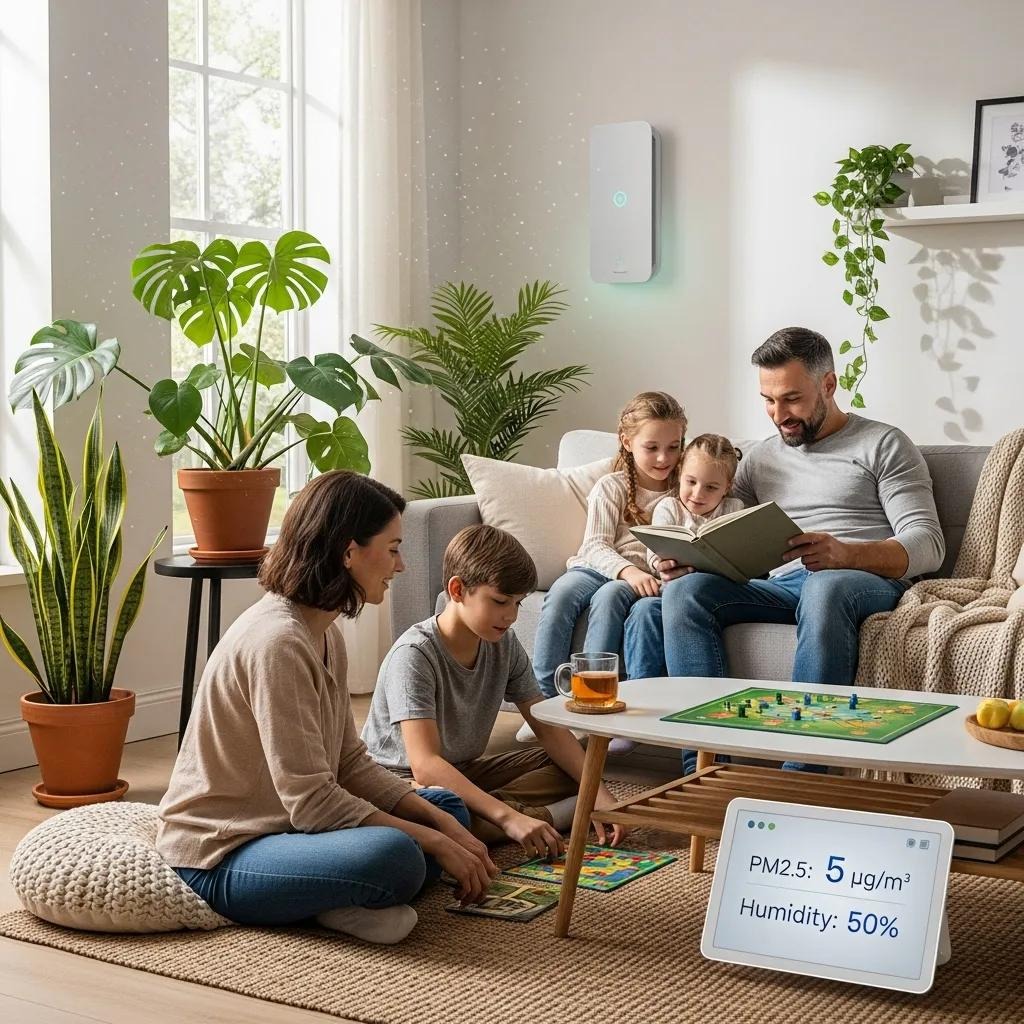
The health of HVAC filters directly impacts indoor air quality and overall comfort levels within a home or business. Clean filters contribute to a healthier environment by reducing airborne pollutants and ensuring consistent airflow. Maintaining filter health is key to creating a comfortable and safe indoor atmosphere for all occupants.
What Is the Relationship Between Dirty Filters and Indoor Air Pollutants?
Dirty filters can exacerbate the presence of indoor air pollutants, including dust, allergens, and mold. When filters are clogged, they cannot effectively capture these particles, leading to poor air quality. This can result in health issues for occupants, particularly those with respiratory conditions or allergies. Regular filter maintenance is essential for minimizing these risks and promoting a healthier living space.
How Can Clean Filters Improve Home and Business Comfort?
Clean filters enhance comfort by ensuring that the HVAC system operates efficiently, providing consistent heating and cooling. Improved air quality also contributes to a healthier living environment, reducing the likelihood of respiratory issues and allergies. By maintaining clean filters, homeowners and business owners can enjoy a more comfortable and healthier space, improving overall well-being.
Why Choose Fogg HVAC’s Maintenance Plans for Managing Dirty Air Filter Symptoms?
Fogg HVAC, Inc. offers specialized maintenance plans designed to help manage dirty air filter symptoms effectively. Their expertise in HVAC systems ensures that clients receive the best possible service tailored to their specific needs. Choosing Fogg HVAC means investing in reliable and professional care for your HVAC system.
What Expertise Does Fogg HVAC Offer in Preventative Filter Maintenance?
Fogg HVAC employs qualified technicians with extensive experience in preventative maintenance. Their team understands the intricacies of HVAC systems and can provide tailored solutions to keep filters clean and systems running smoothly. This expertise is invaluable for homeowners looking to maintain optimal indoor air quality and energy efficiency, ensuring long-term system health.
How Do Flexible Financing and Promotions Make Filter Replacement Affordable?
Fogg HVAC offers flexible financing options and promotions that make filter replacement services more accessible. These options allow homeowners to invest in their HVAC systems without financial strain, ensuring that they can maintain clean filters and efficient systems year-round. Affordable solutions help keep your home comfortable without compromising your budget.
What Are the Latest Energy Efficiency Insights Related to HVAC Filter Maintenance?
Staying informed about energy efficiency insights is crucial for homeowners looking to reduce costs and improve system performance. Recent studies highlight the importance of regular filter maintenance in achieving these goals. Keeping filters clean is a simple yet effective way to enhance energy efficiency and reduce environmental impact.
How Much Energy Can You Save by Replacing Dirty Filters Regularly?
Regularly replacing dirty filters can lead to significant energy savings. Studies indicate that homeowners can save a noticeable percentage on their energy bills by maintaining clean filters. This not only reduces costs but also contributes to a more sustainable environment by lowering energy consumption and carbon footprint.
What Are the Cost Benefits of Preventing HVAC Repairs Through Filter Care?
Preventing HVAC repairs through regular filter care can lead to substantial cost savings. By avoiding breakdowns and maintaining system efficiency, homeowners can save on repair costs and extend the lifespan of their HVAC systems. Investing in regular maintenance is a proactive approach that pays off in the long run, protecting your investment and ensuring reliable comfort.
Schedule Your HVAC Filter Replacement and Maintenance Services with Fogg HVAC Today
Scheduling HVAC filter replacement and maintenance services with Fogg HVAC is a straightforward process designed to accommodate clients' needs. Taking prompt action helps maintain your system’s efficiency and indoor air quality.
What Is the Process to Book a Maintenance Plan or Service Appointment?
To book a maintenance plan or service appointment, clients can contact Fogg HVAC directly. The process typically involves a consultation to assess the specific needs of the HVAC system, followed by scheduling a convenient time for service. Their team is dedicated to providing prompt and efficient service to ensure client satisfaction and system reliability.
Where Can You Find Contact Information and Service Areas in North Carolina?
Fogg HVAC serves homeowners and business owners in Raleigh, Cary, Apex, and surrounding areas in North Carolina. For inquiries or to schedule services, clients can reach out to Fogg HVAC directly through their contact channels. Their commitment to quality service ensures that clients receive the best possible care for their HVAC systems. To further enhance your home's air quality, consider exploring indoor air quality installation options. Ensuring clean air is vital for a healthy living environment.
Customer Testimonial
Discover genuine feedback from homeowners who rely on us for reliable service and lasting results.


.png)
.png)
.png)
.png)
.png)
.png)
.png)
.png)
.png)
