





Top HVAC Energy Saving Tips for Your Home
Save Energy, Lower Your Bills
Energy efficiency matters—for your comfort and your wallet. Below we walk through practical, easy-to-follow tips to reduce cooling costs and keep your home comfortable year-round. These straightforward steps cover the essentials: regular maintenance, smart thermostats, duct sealing, insulation and more. Read on for clear, actionable ways to get better performance from your HVAC system.
Improving efficiency isn’t usually one big fix; it’s a series of small, targeted changes that together lower energy use and improve comfort. Focus on keeping conditioned air inside, cutting unnecessary run time, and matching system capacity to your home’s needs. Use the tips below as a practical checklist you can try yourself or review with a technician during service visits. Over time these steady adjustments reduce wear on equipment and make your home easier to manage.
Why Regular HVAC Maintenance Is Key to Saving Energy
Routine maintenance keeps your HVAC running the way it should. Scheduled inspections and tune-ups catch minor issues early, improve efficiency and reduce the chance of costly breakdowns. A well-cared-for system uses less energy and lasts longer—meaning lower bills and less hassle for you.
Think of seasonal maintenance like preventive care: clean coils, properly adjusted motors and lubricated parts let equipment move air and transfer heat more efficiently. Preventive visits also include safety checks, electrical inspections and performance testing so your system is tuned up before peak cooling or heating seasons. That planning cuts emergency repairs, keeps performance steady and extends component life.
How Seasonal Maintenance Boosts System Efficiency
Seasonal maintenance zeroes in on the tasks that most affect performance: cleaning coils, checking refrigerant levels and replacing air filters. A clean filter improves airflow and lowers system strain, so your equipment uses less energy. Seasonal inspections also catch worn parts before they fail, keeping your system efficient during peak demand.
Common seasonal tasks include removing debris around outdoor units, lubricating moving parts when needed, tightening electrical connections, checking belts and balancing airflow. During these checks a technician will measure temperatures and pressures to confirm the system is operating to manufacturer specs. Fixing problems early prevents the extra runtime and stress that raise energy use and risk breakdowns.
- Simple homeowner checks: clear outdoor unit clearance, change filters, and make sure vents are unobstructed.
- Technician tasks: coil cleaning, refrigerant evaluation, blower adjustments and calibration of controls.
- Timing: schedule service before summer and before winter so the system is ready for peak demand.
Keeping a simple maintenance log helps you track what was done and when, and it makes it easier to review past service during a diagnosis. If your system is older, more frequent inspections can catch age-related issues before they become expensive repairs. For new installations, an early-season check verifies the system was commissioned and tuned properly after installation.
What the Fogg Advantage Maintenance Plan Gives You
The Fogg Advantage Maintenance Plan makes upkeep easy. Members get priority service, discounts on repairs and routine tune-ups that help systems run efficiently longer. That mix saves money over time and gives you the peace of mind of knowing your HVAC is looked after.
Plans also keep your system on a predictable schedule: defined checklists and regular visits remove the guesswork and ensure each service includes the checks that preserve efficiency. If you prefer hands-off care, a maintenance plan pairs convenience with the long-term savings that come from equipment kept in peak condition.
Beyond the immediate savings on repairs, membership often provides documentation that can support warranty claims and may be required for certain utility rebate programs. If you move, a well-documented service history can also improve resale value by demonstrating the system was professionally maintained.
How Smart Thermostats Cut HVAC Energy Use
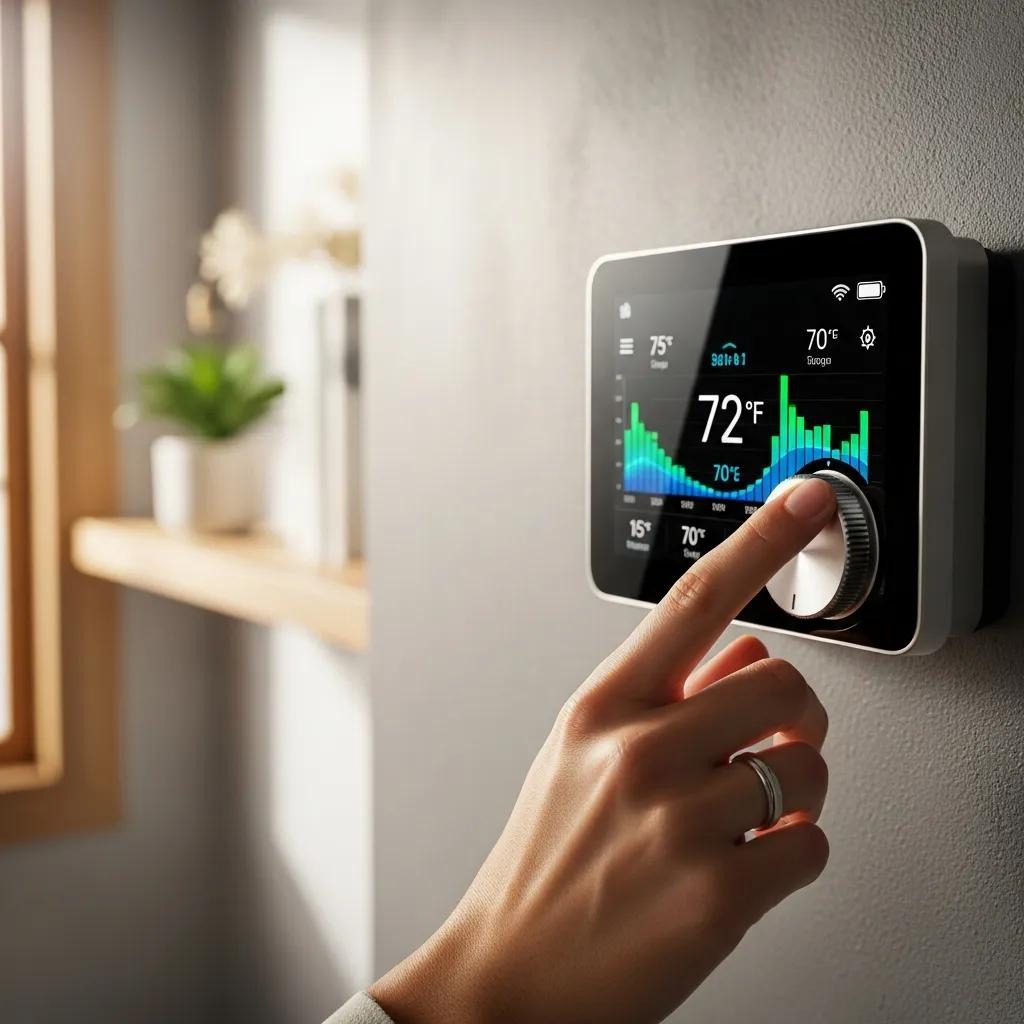
Smart thermostats reduce waste by matching temperatures to your routine. They learn schedules, let you adjust settings from your phone and back off when no one’s home. That means less time cooling an empty house and steadier savings on your energy bill.
Beyond basic scheduling, many smart thermostats include features that directly boost efficiency: geofencing to detect when occupants leave, adaptive recovery to reach setpoints efficiently, and integrations that coordinate shading or ventilation. When choosing a thermostat, confirm compatibility with your system and whether professional installation is needed for multi-stage or communicating controls.
Installing a smart thermostat can also provide data you can act on: runtime summaries, temperature history and alerts when unusual behavior appears. Those insights make it easier to decide when to call a technician and which changes will yield the biggest savings for your household.
What Features Make Programmable and Smart Thermostats Efficient?
Key features include scheduling, remote control and learning modes. Scheduling automates temperature changes. Remote control lets you tweak settings from anywhere. Learning modes adapt to your routine so the system runs only when needed.
Pick features that suit your household. If you travel or keep irregular hours, remote access and occupancy detection can save more than a basic weekly schedule. If you have multiple zones, choose controls that support zoning so you condition only occupied areas.
Also consider compatibility with other smart-home devices and whether the thermostat supports energy-saving modes recognized by utility demand-response programs. The right combination of features makes setup easier and keeps the system aligned with real daily use.
How Remote Control and Usage Analytics Improve Savings
Remote access and usage data reveal habits that waste energy. If the thermostat senses the house is empty, it can pull back automatically. Analytics show when and where you use the most energy so you can make smarter choices over time.
Reports often reveal missed opportunities—large overnight setbacks left unchecked, or repeated manual overrides that defeat efficient schedules. Reviewing these trends helps you fine-tune setpoints and identify if the system is struggling to reach temperatures, which can point to airflow or equipment issues needing attention.
Over weeks or months, small consistent adjustments based on analytics add up to clear savings. Many users find that simple setpoint tweaks, informed by data, deliver the best balance of comfort and reduced runtime.
How Duct Sealing and Insulation Improve Home Efficiency
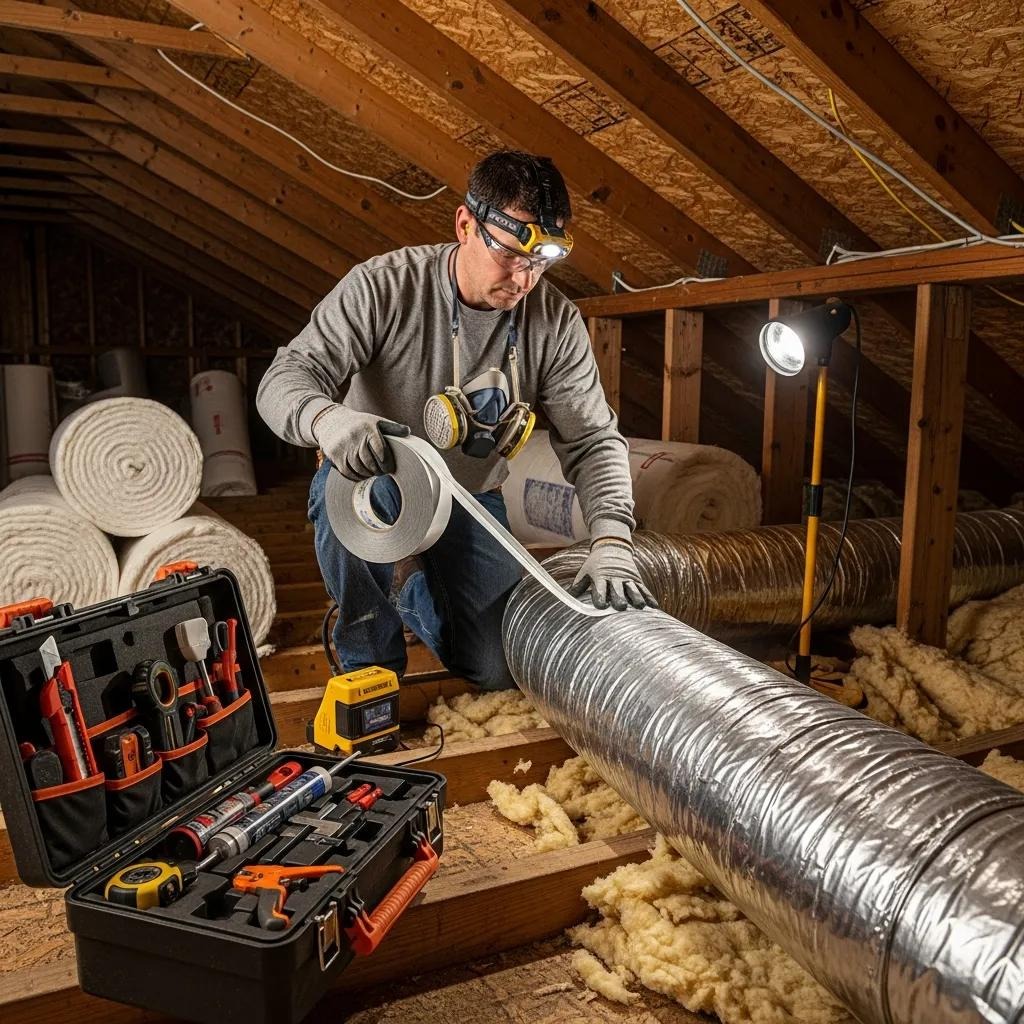
Leaky ducts and poor insulation let cooled air escape and let outside heat in. Sealing ducts and adding insulation—especially in attics and other unconditioned spaces—keeps conditioned air where you want it and lowers the load on your HVAC system.
Research consistently shows sealing ducts and improving insulation produces measurable reductions in home energy use and cost.
Cost-Effective Duct Sealing & Insulation for HVAC Efficiency
This study measured the effect and cost-effectiveness of sealing and insulating ducts exposed to unconditioned spaces in multifamily buildings. Technicians recorded airflow and temperatures in 25 apartments across nine properties before and after retrofits, tracked retrofit costs, and used the data in energy and infiltration simulations to evaluate cost-effectiveness under different building conditions.
How to Find and Fix Leaky Ducts
Start with a visual check for disconnected or damaged duct runs. A professional duct leakage test pinpoints where air is escaping. If you prefer expert help, contact Fogg HVAC for sealing services that restore proper airflow and efficiency.
Signs of duct problems include uneven room temperatures, dust around registers, or unusually long runtimes. Simple DIY fixes include sealing accessible joints with mastic or metal-backed tape and insulating exposed ducts in unconditioned areas. For hidden leaks, a trained technician uses diagnostic tools and proven sealing protocols for reliable results.
Multiple analyses show sealing duct leaks can produce meaningful annual energy savings in typical homes.
Residential Duct Sealing for HVAC Energy Savings
Estimates of annual savings from duct sealing have been developed using REM/Rate and protocols that integrate REM/Rate with ASHRAE 152, comparing supply- and return-side leakage and modeling the benefits of sealing existing residential ductwork.
When evaluating sealing options, consider the access required and whether ducts sit in conditioned or unconditioned spaces. Sealing and insulating ducts in attics, crawlspaces, or garages often yields a higher return because those ducts lose or gain more heat. After sealing, a follow-up leakage test verifies the effectiveness of the work and helps prioritize any remaining improvements.
Why Attic and Wall Insulation Matter
Insulation reduces heat flow through your home’s envelope so your HVAC doesn’t have to work as hard to keep indoor temperatures steady. Better insulation increases comfort and lowers bills. Look at R-values when choosing materials—higher R-values resist heat transfer more effectively.
Attic and wall insulation address different paths for heat flow. Attics often contribute a large share of unwanted heat gain because warm air rises and roofs get direct sun. Improving attic insulation or adding a balanced air barrier reduces that transfer. In walls, adding or topping up insulation removes hot or cold spots and cuts the conditioning your HVAC must provide.
- Inspect insulation for gaps, compression or moisture—these issues reduce effectiveness.
- When adding insulation, keep vents and soffits clear to preserve required attic ventilation.
- Combine insulation upgrades with air sealing for the best cumulative gains in comfort and energy savings.
Different insulation materials and installation approaches suit different assemblies—loose-fill in attics, batts or blown-in for walls, and foam or caulking for targeted air-sealing. A professional assessment will identify the highest-impact locations and the right products for your home’s construction and climate.
How Proper Air Filter Management Lowers HVAC Bills
Dirty filters restrict airflow and force your HVAC to run longer. Check, clean or replace filters regularly to keep airflow strong, reduce runtime and cut energy use.
Restricted airflow can also cause other problems: reduced coil performance, higher indoor humidity and added wear on the blower motor. Regular filter care is a low-cost habit that prevents these issues and helps your system run as designed.
Which MERV Rating Balances Air Quality and Efficiency?
MERV ratings indicate how well a filter captures particles. Higher MERV values trap more but can restrict airflow if your system isn’t designed for them. For most homes, a MERV 8–13 filter balances indoor air quality and efficient airflow.
If someone in your home has allergies or respiratory sensitivities, talk with a technician about higher-efficiency options and whether your blower and ductwork can handle the added resistance. In some cases, whole-house filtration or improved sealing and ventilation can deliver cleaner air without overloading the system.
When choosing a filter, check manufacturer guidance and consider the tradeoffs between particle capture and system pressure drop. Periodically inspect the filter and the cabinet for signs that the filter is causing reduced airflow.
How Often Should You Replace HVAC Filters?
Check filters monthly and plan to replace them every 1–3 months depending on filter type, pets and household dust. Replace filters when they show visible dirt, airflow drops or energy use rises.
Keep replacements on a calendar or set reminders in your thermostat app. Store an extra set of the right filter size at home so changes are simple. Homes with pets or heavy dust typically need more frequent changes to keep performance steady and protect the system.
For households with one or two occupants and minimal pets, changes toward the longer end of the interval are often fine; for larger families or pet owners, more frequent changes pay back quickly through lower runtime and fewer service calls.
Why Upgrade to Energy-Efficient HVAC Equipment?
Upgrading to efficient equipment reduces long-term energy costs and improves comfort. Modern systems deliver the same or better comfort while using noticeably less energy than older units.
When planning an upgrade, prioritize proper sizing and professional installation. Oversized or undersized units cycle inefficiently and reduce comfort. A qualified contractor will run load calculations, review duct design and recommend equipment and installation practices that deliver expected efficiency in real-world operation.
Benefits of ENERGY STAR Certified Units
ENERGY STAR units meet higher efficiency standards, which usually translates to lower bills and potential rebates. These systems are tested for performance so you get reliable efficiency that pays back over time.
ENERGY STAR labeling also makes model comparisons easier: when you narrow choices to certified units, you can focus on features, warranties and installer recommendations while keeping efficiency as the baseline decision factor. Pair any equipment choice with professional installation to realize the rated savings.
How Heat Pumps Stack Up Against Furnaces
Heat pumps move heat instead of creating it, making them very efficient in mild to moderate climates. They provide both heating and cooling in one system and often cut energy use compared with traditional furnaces. In very cold climates, supplemental heat may be needed to maintain comfort.
Modern heat pump options include air-source and ground-source systems as well as cold-climate models designed to work efficiently at lower temperatures. When evaluating a heat pump, consider local climate, existing ductwork and the opportunity to pair a heat pump with high-efficiency cooling for simpler maintenance and controls.
Also weigh factors like operating characteristics (continuous versus short cycling), compatibility with existing thermostats and the potential to integrate with smart controls. A staged approach—upgrading controls first, then equipment—can sometimes capture early savings while you plan a larger equipment changeout.
Maximizing Home Comfort with Smarter HVAC Use
Small changes in how you use your system add up. Adjust thermostats seasonally, use programmable settings and combine HVAC with passive strategies like shading to improve comfort while using less energy.
Everyday habits that save energy include closing curtains or blinds during peak sun, using ceiling fans to raise perceived comfort, and avoiding heat-producing appliances during the hottest part of the day. Keep registers clear and use zoning controls for rarely used rooms to avoid conditioning unnecessary space.
Best Thermostat Settings for Seasonal Savings
A practical starting point is 78°F in summer when you’re home and a few degrees higher when you’re away. In winter, 68°F while home and lower when you’re out helps save energy. Use programmable or smart features to automate these shifts.
When you create a schedule, choose modest setbacks for sleep and away times rather than extreme swings that demand long recovery periods. For homes with pets or sensitive occupants, balance setbacks with comfort needs and consider staging temperature changes gradually to keep everyone comfortable while saving energy.
- Weekday schedule: comfortable during occupied hours, modest setbacks overnight and during the day if no one is home.
- Weekend schedule: follow typical household activity; small adjustments reduce energy without sacrificing comfort.
- Vacation mode: use extended setbacks and enable alerts so you can monitor system performance while away.
Combining small behavior changes with programmatic thermostat settings is often the most cost-effective way to reduce usage without major equipment changes. When multiple households in a home have different comfort preferences, consider modest compromises combined with targeted zone controls.
How Ceiling Fans Help Reduce Cooling Costs
Ceiling fans improve perceived comfort by moving air across skin, letting you set the thermostat a few degrees higher without feeling warmer. Turn fans off when rooms are empty—they cool people, not the space.
For best results, set fans to rotate counterclockwise in summer to create a cooling breeze and clockwise in winter at low speed to push warm air down from the ceiling. Regular dusting keeps fans efficient and prevents dust from circulating in the home.
Use fans in combination with HVAC setpoints rather than as a replacement in very hot conditions; in mild-to-moderate heat they extend the useful setpoint range and reduce runtime on the system.
Financing and Promotions That Make Efficiency Affordable
Financing options and seasonal promotions make upgrades more affordable. Flexible plans let you spread the cost while you start saving on energy right away.
When reviewing financing offers, check term length, interest rate and any deferred interest clauses. Combine rebates and promotions with financing to lower your effective monthly payment and improve the payback timeline. Ask your contractor to help identify local incentives and provide the documentation needed to claim them.
How Fogg HVAC Financing Helps Homeowners Invest in Efficiency
Fogg HVAC’s financing options offer manageable payments and competitive terms so homeowners can replace or upgrade equipment without a large upfront cost. That way you begin saving on energy while paying over time.
The right financing makes it practical to choose higher-efficiency equipment that may cost more up front but saves on operating costs over the life of the system. Ask about promotions that bundle maintenance plans and installation discounts to get the most value from an upgrade.
Before committing to any plan, compare cumulative costs across financing options and estimate payback timelines so the monthly payment aligns with expected energy savings. Your contractor can often illustrate scenarios showing estimated bill reductions alongside financing terms.
Seasonal Discounts and Promotions to Watch For
Seasonal discounts and promotions often reduce the initial expense of maintenance plans and system upgrades. Watch for limited-time offers to get the best value on timely service and efficiency improvements.
Typical promotions include reduced diagnostic fees during off-peak seasons, bundled pricing for installation-plus-maintenance, and occasional rebates on service plans. Sign up for newsletters or follow local dealers to time upgrades around promotional windows.
Combining discounts with available utility rebates and tax incentives can significantly lower out-of-pocket costs. Keep careful records of invoices and model numbers so you can apply for incentives promptly and avoid missing deadlines.
How North Carolina’s Climate and Utility Rebates Affect Your Savings
Local climate and utility programs can change the economics of upgrades. In North Carolina, long cooling seasons and high summer humidity make efficiency improvements especially valuable—and utility rebates can help offset costs.
Utility programs often require specific equipment ratings or approved contractors for rebate eligibility. Before you commit, review program rules and required documentation. A qualified contractor can often submit paperwork for you or point you to local resources to confirm eligibility.
Regional Tips for Cary, Raleigh, and Apex Homeowners
In Cary, Raleigh and Apex, summer humidity and long cooling seasons make efficient air conditioning and solid insulation important. Shade from trees, reflective roofing and well-sealed ducts all help reduce cooling demand in our climate.
Look at site-specific factors like home orientation, tree cover and the amount of exterior surface area exposed to afternoon sun. Simple shading strategies—awnings, deciduous trees that block summer sun but allow winter sun, and reflective roof upgrades—can reduce peak loads on your AC and extend equipment life.
Local installers know which measures deliver the best savings for regional building types; consult with a qualified technician to prioritize improvements that fit your home and budget.
How Local Utility Rebates Support Efficient Upgrades
Many North Carolina utilities offer rebates or incentives for ENERGY STAR equipment and other efficiency measures. These programs can lower your out-of-pocket cost and speed up payback on an upgrade.
To take advantage, gather required documents such as invoices, model numbers and installation dates. Some programs require pre-approval, so check requirements early. Your installer can often help ensure the work qualifies and that the paperwork is completed correctly for rebate submission.
Pay attention to program timelines and whether the rebate is issued as a mail-in check, bill credit or online submission; knowing the steps up front simplifies claiming the benefit and reduces processing delays.
Conclusion
Small, intentional steps add up. Prioritize regular maintenance, use a smart thermostat, seal ducts and improve insulation to lower energy use and increase comfort. These practical changes cut bills now and protect your home for the long term. Want more ways to improve performance? Explore our resources or contact Fogg HVAC for personalized advice.
Start with low‑cost actions you can do today—check filters, clear outdoor unit airflow and program your thermostat—then plan targeted upgrades with a qualified technician. With a mix of maintenance, smarter controls and building-envelope improvements, you’ll capture consistent energy savings and enjoy a more comfortable home.
Conclusion
Small, strategic changes can noticeably improve your home's energy efficiency and comfort. By prioritizing regular maintenance, using smart thermostats, sealing ducts, and upgrading insulation, you’ll lower energy bills and support reliable long-term performance. These actionable steps deliver immediate savings and contribute to a more sustainable home. For tailored advice and additional resources, connect with Fogg HVAC today.
Customer Testimonial
Discover genuine feedback from homeowners who rely on us for reliable service and lasting results.


.png)
.png)
.png)
.png)
.png)
.png)
.png)
.png)
.png)
